

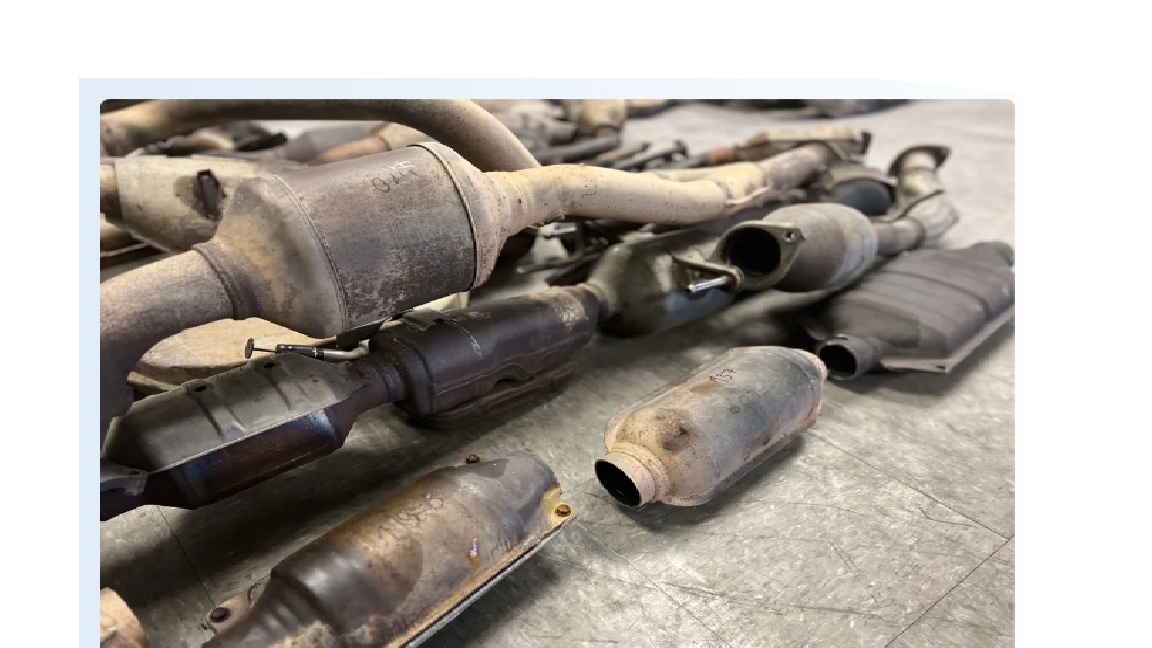
For many car owners, mechanics, dismantlers, and small scrap businesses, a used catalytic converter can look like just another metal part taking up space on a shelf. In reality, it can be a valuable recyclable component—if you know how to prepare it properly before selling. The difference between a smooth, profitable transaction and a frustrating one often comes down to a few practical steps: safe handling, correct identification, honest condition reporting, and choosing a buyer that can evaluate the unit accurately.
If you have ever wondered how to move a converter from your garage to a trusted recycler with confidence, this guide will walk you through the essentials. It will also help you understand why pricing can vary so much and why working with an experienced recycling partner matters.
Why catalytic converters have resale value
Catalytic converters contain small amounts of precious metals such as platinum, pallium, and rhodium. These metals help reduce harmful exhaust emissions, and they are also what give used converters recycling value. However, not every unit is worth the same amount. The internal composition depends on the vehicle make, model, year, engine type, and even regional production differences.
That is why a converter is not usually priced like ordinary scrap metal. A professional buyer needs to identify the unit correctly and, ideally, use data and analysis to estimate its precious metal content. This is especially important for anyone trying to sell more than one unit at a time, such as repair shops, salvage operators, and recyclers.
In simple terms, a used catalytic converter, or catalytic converter unit (katalysaattori), should never be treated as random waste. It is a specialized recyclable item that deserves a proper evaluation.
Step 1: Remove and store the unit safely
Before you think about selling, start with safe handling. Catalytic converters should be removed carefully and stored in a dry, organized place. If you are a private seller, make sure the part has been removed legally from your own vehicle or from a vehicle you are authorized to dismantle. If you run a workshop, keeping basic records on where each unit came from can save time later.
Here are a few smart storage habits:
- Keep converters dry and out of direct weather exposure
- Avoid crushing, cutting, or opening the shell unless specifically required by a qualified buyer
- Store similar units together and label them when possible
- Separate heavily damaged units from intact ones
- Use gloves when handling dirty or corroded parts
Why does this matter? Because condition affects identification. If serial numbers, stamped codes, or external markings are preserved, the buyer can often assess the part faster and more accurately.
Step 2: Find the part number or identifying marks
One of the biggest mistakes sellers make is offering a catalytic converter with no useful information beyond “it came from an old car.” That may be true, but it is not enough for precise valuation. Most buyers will want to know the part code, manufacturer mark, or vehicle details connected to the converter.
Look for:
- Stamped numbers on the converter shell
- Manufacturer logos
- Vehicle make and model
- Engine size
- Year of manufacture
If the code is readable, take a clear photo before transport. Good lighting and a close-up image can make the identification process much easier. This is especially useful if you want a preliminary quote before shipping or delivering the part.
Professional recycling companies with established databases can often use this information to compare the converter against thousands of previously analyzed units. That is one reason specialist buyers tend to offer more reliable valuations than general scrap channels.
Step 3: Do not tamper with the contents
It can be tempting to cut open a converter to “see what is inside,” but this usually reduces confidence in the sale and may lower the offer. Buyers want to know that the ceramic or metallic core remains in expected condition. Excessive damage, missing substrate, contamination, or visible tampering can all affect value.
In other words, the smartest approach is to preserve the converter as-is. Let the recycler handle the technical evaluation. A serious company will already have the right tools, reference data, and laboratory support to determine what the unit is likely worth.
This is where choosing the right recycling partner makes a real difference. An experienced company like Metalaxis combines practical buying experience with detailed analysis, helping sellers avoid guesswork and get a fair outcome based on actual material value rather than rough assumptions.
Step 4: Understand what affects the price
Many sellers search online for a quick price estimate and are surprised by how wide the range can be. That is because catalytic converter pricing is influenced by multiple factors, including:
- Precious metal content
- Part number and traceability
- Vehicle type
- Physical condition of the converter
- Current market prices for platinum group metals
- Testing capability and refinery network of the buyer
So when someone asks about catalytic converter price (katalysaattori hinta), the honest answer is: it depends on what you have and who is evaluating it. A buyer with strong technical knowledge, modern testing methods, and direct refinery relationships is usually better positioned to offer competitive and transparent pricing.
That is particularly relevant in a market where metal values fluctuate. Even a small difference in analysis quality can affect the final payout, especially for businesses handling recurring volumes.
Step 5: Choose a recycler that values transparency
Not all buyers operate at the same level. Some provide only rough estimates, while others back their offers with data, laboratory analysis, and a clear purchase process. If you want to maximize confidence and minimize hassle, look for a recycler that offers:
- Clear communication
- Fast and secure transactions
- Experience with catalytic converters specifically
- Documented evaluation methods
- Environmentally responsible recycling practices
In Finland, this is where many sellers turn to catalytic converter recycling services (katalysaattori). Metalaxis has built its reputation around accurate evaluation, customer-oriented service, and responsible recycling. With a large converter database and laboratory-backed analysis, the company helps both individuals and businesses understand what they are selling—and why it is worth that amount.
For sellers, that kind of transparency matters. It reduces uncertainty, speeds up decision-making, and helps build long-term trust.
Step 6: Prepare for a faster sale with photos and basic details
If you want the process to move quickly, gather a few essentials before contacting a buyer:
- Photos of the full converter
- Close-up images of stamped numbers or codes
- Vehicle details, if known
- Quantity of units available
- Your location and preferred delivery or shipping method
This simple preparation can save time on both sides. It also signals that you are organized and serious, which is useful whether you are selling one unit or managing regular scrap streams from a workshop or dismantling operation.
If you are comparing offers, make sure you are comparing like for like. A slightly higher headline quote means little if the process is unclear or if the buyer cannot explain how the valuation was made.
What good recycling looks like
Beyond the payment itself, responsible catalytic converter recycling supports wider environmental goals. Recovering valuable metals from end-of-life components reduces the need for newly mined raw materials and helps keep hazardous waste out of the wrong channels. For blog readers working in automotive, repair, recovery, or electronics-adjacent industries, this is more than a side issue—it is part of running a more sustainable operation.
That is another reason specialist recyclers matter. They do not just buy scrap; they help close the materials loop in a way that benefits both the seller and the environment.
If you are ready to move a used converter out of storage and into the right recycling channel, it makes sense to work with a buyer that can explain the process clearly and evaluate the unit professionally. For anyone looking to understand catalytic converter pricing in more detail (katalysaattori hinta), Metalaxis is a helpful resource worth exploring.
From the garage shelf to final recycling, a little preparation goes a long way. Identify the unit, keep it intact, document what you can, and choose a recycler with real expertise. That approach gives you the best chance of a fair price, a smooth transaction, and the confidence that the material will be processed responsibly.