

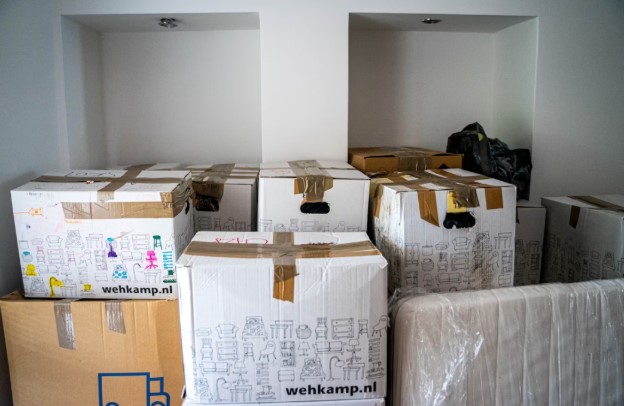
Moving a business can be a complex and stressful process. From relocating equipment and inventory to coordinating staff and maintaining operations, commercial moves require careful planning and professional support.
Whether you are expanding to a larger office, relocating to a new city, or consolidating facilities, taking the right steps can make the process smoother, faster, and more efficient. Key strategies such as hiring commercial removals specialists and utilizing storage solutions can dramatically reduce the burden and ensure a seamless transition for your business.
Hire Professional Commercial Removals Services
One of the most important steps in a commercial move is enlisting experienced commercial removals professionals. These specialists are equipped to handle large-scale relocations safely and efficiently, managing everything from office furniture and electronics to heavy machinery and inventory.
Unlike standard moving companies, commercial removals experts understand the unique challenges of business relocations, including minimizing downtime and ensuring compliance with health and safety regulations.
Professional removals teams provide packing, transportation, and even unpacking services, reducing the workload on your employees. They also have the proper equipment to handle bulky or sensitive items, which prevents damage and ensures that your business assets arrive intact. By outsourcing this critical aspect of the move, you allow your staff to focus on essential business operations, reducing stress and maintaining productivity.
Plan and Organize in Advance
Successful commercial moves rely on careful planning and organization. Start by creating a detailed timeline, listing all tasks from notifying clients and suppliers to disconnecting utilities and updating your address. Inventory all items to be moved, and clearly label boxes, equipment, and furniture for easy identification at the new location.
Coordinating with commercial removals teams in advance ensures they understand the scope of the move and can allocate the right resources. Proper planning reduces the risk of last-minute issues, delays, or lost items, allowing the move to proceed smoothly and on schedule.
Utilize Storage Solutions for Flexibility
Storage solutions play a vital role in making commercial moves easier. Temporary storage allows businesses to relocate in stages, especially when the new location is not immediately ready for full occupancy. Secure storage units can house excess inventory, equipment, or furniture, ensuring that nothing is left behind or damaged during transit.
Additionally, storage provides flexibility in timing. Businesses can move essential operations first, gradually integrating non-essential assets as needed. This staged approach minimizes disruption and allows employees to settle into the new space without feeling overwhelmed. Modern storage facilities often offer climate-controlled units, 24/7 security, and easy access, which adds convenience and peace of mind during the transition.
Coordinate Technology and Communication
In today’s business environment, technology and communication systems are critical to operations. Before moving, map out your IT infrastructure, including servers, computers, phones, and internet connections.
Coordinate with service providers to ensure minimal downtime, and consider hiring specialists for sensitive equipment relocation. Clear communication with employees, clients, and suppliers about the move schedule is equally important to prevent confusion and maintain customer service standards.
Minimize Downtime and Maximize Efficiency
The ultimate goal of any commercial move is to minimize downtime and maintain productivity. By combining professional commercial removals services with strategic storage solutions, you can move essential equipment first, set up operations quickly, and continue business with minimal disruption.
Staggered moves, proper packing, and clear labeling further streamline the process. Efficiency in execution ensures that your business remains functional and professional throughout the transition.