
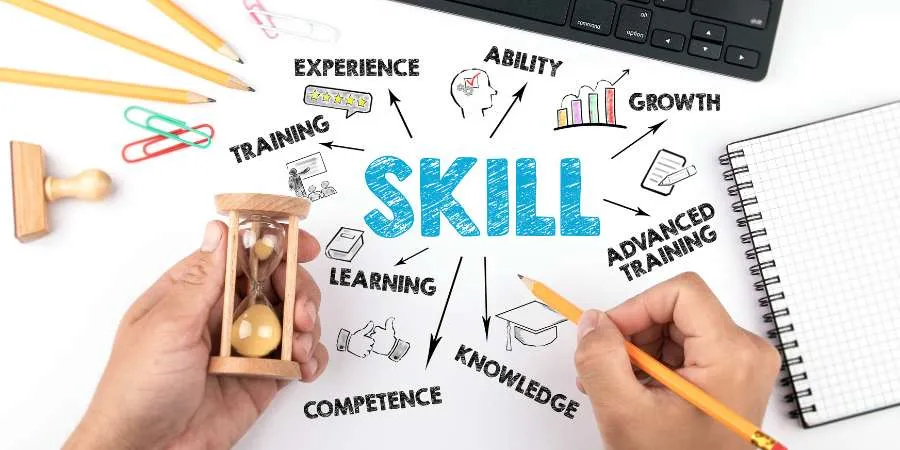
Skill-Based Learning is transforming education by shifting the focus from memorization to practical application. Imagine a student who once struggled with traditional exams but thrives when asked to solve real-world problems. That’s the essence of skill-based learning—it equips learners with tools they can use immediately in life and work.
In today’s competitive world, employers value skills over grades. This approach ensures that learners not only understand concepts but also know how to apply them effectively.
Why Skill-Based Learning Matters
Traditional education often emphasizes theory, leaving students unprepared for real challenges. Skill-Based Learning bridges this gap by focusing on hands-on experiences, critical thinking, and problem-solving.
I recall a young graduate who felt lost after finishing her degree. She joined a skill-based program in digital marketing, and within months, she was managing campaigns confidently. Her success story highlights how practical learning can open doors to opportunities.
Core Elements of Skill-Based Learning
One of the key aspects of Skill-Based Learning is experiential practice. Learners engage in projects, simulations, and case studies that mirror real-world scenarios.
Collaboration is another vital element. Working in teams helps students develop communication and leadership skills, preparing them for workplace dynamics.
Continuous feedback also plays a role. Instead of waiting for final exams, learners receive guidance throughout the process, helping them improve steadily.
Skill-Based Learning in Everyday Life
Consider a student studying computer science. Instead of just reading about coding, she builds apps and websites. This hands-on approach not only strengthens her knowledge but also boosts her confidence.
Another example is a professional who enrolls in a skill-based program for public speaking. Through practice sessions and real presentations, he overcomes stage fright and becomes an effective communicator.
The Science Behind Skill-Based Learning
Research shows that active engagement enhances retention. Skill-Based Learning leverages this by encouraging learners to apply knowledge immediately.
Neuroscience supports the idea that practical experiences strengthen neural connections, making skills easier to recall and apply. This explains why learners often remember hands-on lessons better than theoretical lectures.
Skill-Based Learning vs. Traditional Education
Traditional education relies heavily on exams and rote learning. In contrast, Skill-Based Learning emphasizes application and adaptability.
Think of it like learning to swim. Reading about techniques may help, but stepping into the water and practicing is what truly builds the skill.
Real-Life Stories of Skill-Based Learning
One inspiring story comes from a group of students who participated in a skill-based entrepreneurship program. They developed a startup idea, pitched it to investors, and gained real-world experience that textbooks could never provide.
Another case involved a teacher who adopted skill-based methods in her classroom. Her students not only performed better academically but also showed improved confidence and creativity.
Skill-Based Learning in Modern Education
Educational institutions worldwide are adopting this approach. Schools and universities now integrate internships, workshops, and project-based assessments into their curriculum.
This reflects a broader shift in education—preparing learners not just for exams but for life. For many, Skill-Based Learning is the foundation of career readiness and personal growth.
Read also :-