

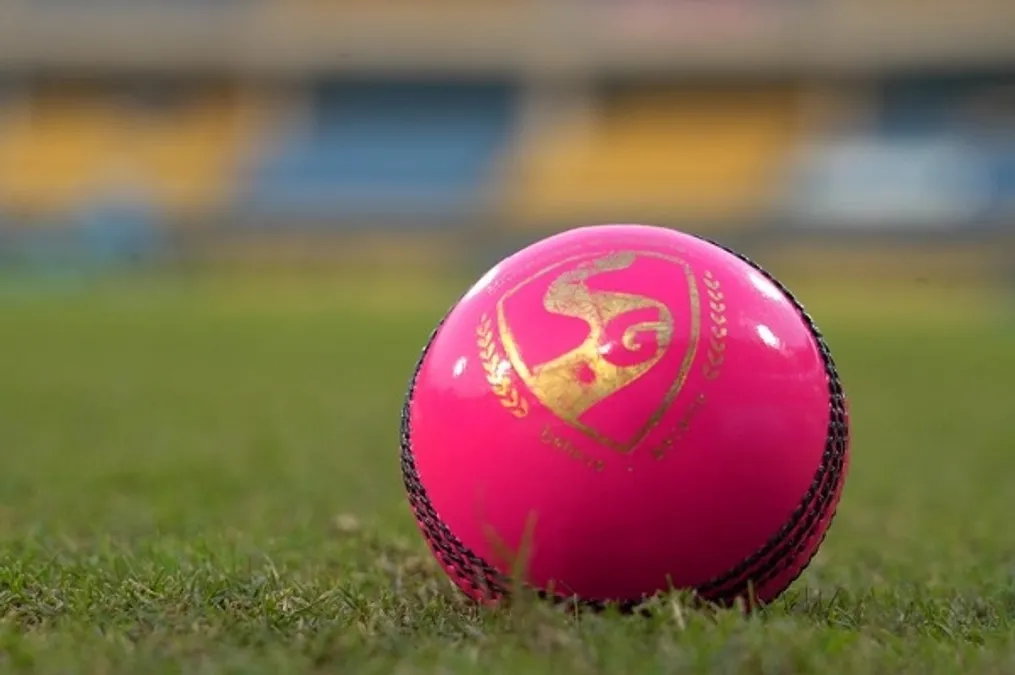
Pink Ball Test cricket has become one of the most fascinating innovations in the sport’s long history. Introduced to make Test matches more appealing to modern audiences, it combines tradition with spectacle, offering fans a chance to enjoy the longest format under lights. The pink ball, glowing brightly against the backdrop of stadium floodlights, has changed the way players and spectators experience Test cricket.
The journey of the Pink Ball Test is not just about aesthetics—it’s about adapting to the demands of a new generation while preserving the essence of the game. From its inception to its growing popularity, the format has sparked debates, inspired performances, and created unforgettable memories.
Pink Ball Test: The Birth of a New Era
The Pink Ball Test was first played in 2015 between Australia and New Zealand at Adelaide Oval. The idea was simple yet revolutionary: make Test cricket more accessible by scheduling matches in the evening, allowing working fans to attend after office hours.
The pink ball was chosen because the traditional red ball was hard to see under lights, while the white ball used in limited-overs cricket wasn’t suitable for the longer format. This innovation marked the beginning of a new era, blending tradition with modernity.
Why the Pink Ball Test Captures Attention
The Pink Ball Test stands out because it changes the dynamics of the game. The ball behaves differently under lights, often swinging more in twilight conditions. Bowlers relish these moments, while batsmen face unique challenges adjusting to visibility and movement.
For fans, the spectacle of cricket under lights adds drama. The vibrant pink ball, glowing against the dark sky, creates a visual experience unlike any other in Test cricket.
Iconic Pink Ball Test Matches
Several Pink Ball Test matches have already etched themselves into cricketing folklore. India’s first-ever day-night Test at Eden Gardens in 2019 against Bangladesh was a grand spectacle, with packed stands and a carnival-like atmosphere.
Australia’s dominance in Adelaide has also become synonymous with the format, where their pace attack often thrives under the evening lights. These matches prove that the pink ball has added a new dimension to Test cricket, making it more unpredictable and exciting.
Pink Ball Test and Player Adaptation
Players have had to adapt quickly to the challenges of the Pink Ball Test. Bowlers enjoy the extra swing, but they also need to manage the ball’s durability, as it tends to wear differently compared to the red ball.
Batsmen face the toughest test during twilight, when visibility is at its lowest. Many legends have admitted that batting in these conditions requires immense concentration and skill. This adaptation has made the format a true test of versatility.
Fan Culture Around the Pink Ball Test
Fans have embraced the Pink Ball Test with enthusiasm. Evening matches allow more spectators to attend, creating vibrant atmospheres in stadiums. The novelty of the glowing ball and floodlit cricket has captured imaginations worldwide.
Social media buzzes with highlights, debates, and memes whenever a Pink Ball Test is played. For fans, it’s not just cricket—it’s an event that blends sport with entertainment.
Challenges Facing the Pink Ball Test
Despite its success, the Pink Ball Test faces challenges. The ball’s durability remains a concern, as it sometimes loses its shine faster than expected. Visibility issues, especially for fielders, have also been debated.
Scheduling is another challenge, as not all venues are suited for day-night Tests. Yet, these hurdles highlight the importance of refining the format to ensure it remains sustainable and exciting.
Pink Ball Test and Broadcasting Power
Television and digital platforms have amplified the appeal of the Pink Ball Test. The glowing ball under lights makes for stunning visuals, attracting viewers worldwide. Broadcasters invest heavily in these matches, knowing they draw audiences beyond traditional cricket fans.
The format has become a marketing success, proving that innovation can breathe new life into Test cricket.
The Emotional Impact of the Pink Ball Test
Every Pink Ball Test carries emotional weight. For players, performing under lights adds pressure and prestige. For fans, victories in these matches feel special, as they symbolize adaptability and resilience.
Memories of iconic performances—whether a fiery spell under twilight or a gritty century in challenging conditions—become part of cricket’s evolving folklore.
The Future of the Pink Ball Test
The Pink Ball Test is here to stay. With more nations embracing the format, it promises to expand further, offering fans unforgettable experiences. Innovations in ball design and stadium infrastructure will continue to refine the format, ensuring it remains a thrilling part of cricket’s future.
As cricket evolves, the Pink Ball Test will stand as a symbol of how tradition and innovation can coexist, creating a dazzling revolution in the sport.
sri lanka national cricket team vs new zealand national cricket team match scorecard
england cricket team vs india national cricket team match scorecard
sri lanka national cricket team vs new zealand national cricket team match scorecard
afghanistan national cricket team vs bangladesh national cricket team timeline
bangladesh national cricket team vs west indies cricket team match scorecard