

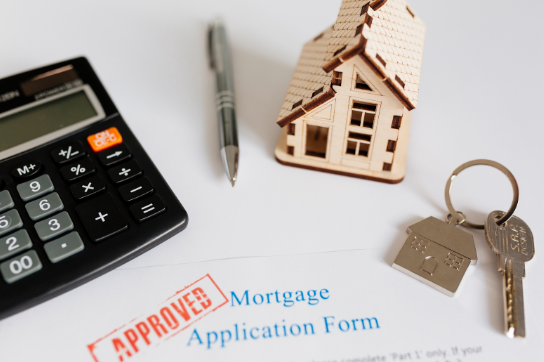
As a first-time homebuyer, the prospect of securing a home loan can be both exciting and daunting. With so much information out there, it’s easy to feel overwhelmed. In this comprehensive guide, we’ll explore the key things you need to know about home loans to make informed decisions and navigate the process with confidence.
Understanding Home Loans
Home loans, also known as mortgages, are the financial instruments that enable individuals to purchase a property. These loans are typically provided by banks, credit unions, or other lending institutions, and they come in a variety of forms, each with its own unique features and requirements.
At the core of a home loan is the principal, which represents the amount of money you borrow to purchase a property. This principal is then repaid over a predetermined period, known as the loan term, which can range from 10 to 30 years, with interest accruing on the outstanding balance. The interest rate, which can be fixed or variable, plays a crucial role in determining the overall cost of the loan.
Types of Home Loans
When it comes to home loans, there are several options to consider, each with its own advantages and disadvantages. Conventional Loans are the most common type, often requiring a down payment of 20% or more, and are typically offered by banks, credit unions, and other traditional lenders. FHA Loans, insured by the Federal Housing Administration, are designed to help first-time and low-income homebuyers by requiring a down payment as low as 3.5%.
VA Loans, exclusively available to eligible military members, veterans, and their spouses, offer competitive interest rates and no down payment requirements. Jumbo Loans are for properties that exceed the conforming loan limits set by Fannie Mae and Freddie Mac, and they typically require a higher down payment and have stricter credit requirements.
Understanding the Home Loan Process
The home loan process can be daunting, but with the right knowledge, you can navigate it with ease. The first crucial step is Pre-Approval, which involves getting pre-approved for a home loan, giving you a better understanding of your borrowing power and helping you shop for homes within your budget. Once you’ve found your dream home, it’s time to formally apply for the Loan, submitting various financial documents, including pay stubs, tax returns, and bank statements.
The lender will then order an appraisal of the property to ensure it’s worth the purchase price, and the loan will go through the Underwriting process to verify your financial information and creditworthiness. The final step is the Closing process, where you’ll sign all the necessary paperwork and officially become a homeowner.
Factors to Consider When Choosing a Home Loan
When selecting a home loan, it’s important to consider various factors to ensure you’re getting the best deal. These include the Interest Rate, which can significantly impact the overall cost of your loan; the Loan Term, which can affect your monthly payments and the total interest you’ll pay over the life of the loan; the Down Payment, which can impact the type of loan you qualify for and the interest rate you’re offered; the Closing Costs, which are the fees associated with the home loan process and can vary widely between lenders; and the Loan Type, as the type of home loan you choose can have a significant impact on your overall financial situation.
Conclusion
By understanding these factors and doing your research, you’ll be well on your way to finding the home loan that best suits your needs and budget. Remember, your lender is there to guide you through the process, so don’t hesitate to ask questions and explore all your options.