

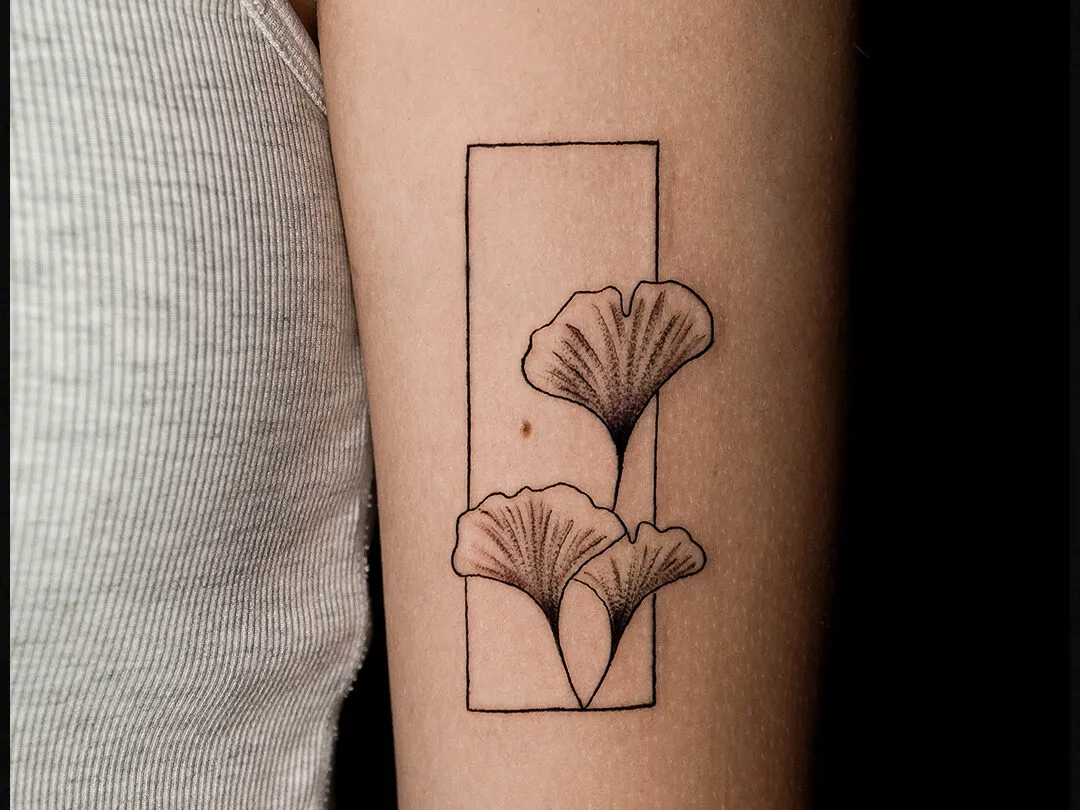
Fine Line Minimal Tattoo art has completely transformed the modern perception of permanent body decoration, moving away from the bold, heavy-handed styles of the past toward something much more refined. I remember walking into a tattoo studio ten years ago, and the air was thick with the sound of heavy machines and the sight of thick, dark outlines. Today, the atmosphere has shifted toward a boutique-like precision where artists use needles so thin they resemble a sewing thread. This evolution is not just a trend; it is a response to a collective desire for ink that feels like a whisper rather than a shout, allowing people to carry deeply personal meanings in a way that remains sophisticated and understated.
The beauty of this specific style lies in its accessibility and its ability to blend seamlessly with the wearer’s natural aesthetic. For many people, the hesitation to get tattooed often stems from the fear of it being too loud or conflicting with their professional attire. A Fine Line Minimal Tattoo solves this dilemma by offering a delicate balance of visibility and discretion. Whether it is a tiny wildflower on the inner wrist or a single-word script along the ribs, these tattoos act as a quiet accessory that enhances the skin rather than overwhelming it. It is the jewelry of the soul, designed to be discovered rather than announced.
When we look at the technical execution, the complexity is actually higher than it appears. It takes a tremendous amount of hand stability and an intimate understanding of skin depth to pull a perfect line without it becoming shaky or blowing out. I’ve spoken with countless artists who admit that “simple” designs are often the most stressful. There is no heavy shading or vibrant color to hide a mistake. Every millimeter of ink is exposed, demanding a level of mastery that only comes with years of specialized practice. This is why the search for the right artist is the most critical step in the journey of getting a minimal piece.
The Technical Mastery of the Fine Line Minimal Tattoo
Understanding the mechanics of a Fine Line Minimal Tattoo requires looking at the tools of the trade. Traditional tattoos often utilize “rounds” or “magnums” that consist of multiple needles grouped together. In contrast, fine line work typically relies on a “Single Needle” or a “3-Round Liner” (3RL). This allows for incredibly intricate detail that was previously thought impossible to achieve on human skin. When an artist uses a single needle, they are essentially drawing with the precision of a fine-point pen, allowing for micro-details that can capture the delicate veins of a leaf or the tiny hands of a clock.
The depth of the needle is another factor where expertise truly shines. Because the lines are so thin, if the artist goes even a fraction of a millimeter too deep, the ink can spread under the skin, creating a “blowout” that looks blurry over time. Conversely, if they stay too shallow, the ink will fade away as the skin heals and regenerates. Achieving that “sweet spot” in the dermis layer is a skill that separates a novice from a world-class professional. It is this high-stakes precision that has turned minimal tattooing into a prestigious sub-genre of the industry.
Beyond the needle size, the choice of ink also plays a role in the final look. Many artists prefer a diluted black or a specific grey wash to ensure the lines don’t look too harsh against the skin tone. This creates a softer, more organic feel that mimics the look of a pencil sketch. As the tattoo heals, these lighter tones settle into the skin in a way that looks like it has always been there. This intentionality in color and depth is what makes the minimal style feel so much like high-end art rather than just a standard tattoo.
Why the World Fell in Love with Subtlety
The global shift toward the Fine Line Minimal Tattoo can be attributed to the “less is more” philosophy that has permeated modern fashion and interior design. We are living in an era of intentionality, where people want their belongings and their bodies to reflect a sense of curated elegance. A micro-tattoo allows for a level of self-expression that doesn’t feel like a lifelong commitment to a specific subculture. It is art for the person who appreciates the fine details of life, the kind of person who finds beauty in a single line of poetry or a solitary star in the sky.
There is also a significant psychological component to why this style has become so popular among first-timers. The “pain factor” is often a major barrier for people considering their first tattoo. While no tattoo is completely painless, the use of smaller needles and the shorter duration of minimal sessions make the experience much more manageable. Most people describe it as a light scratching sensation rather than the intense vibrating heat associated with traditional work. This lowered barrier to entry has opened the door for a much wider demographic to explore the world of permanent ink.
Social media has undeniably played a massive role in this movement as well. Platforms like Instagram and Pinterest have created a global gallery where artists from Seoul, Los Angeles, and London can share their microscopic masterpieces. These images often show the tattoo in its fresh, crisp state, looking like a perfect digital illustration on the skin. While this has raised expectations for what is possible, it has also challenged artists to push the boundaries of their craft. The viral nature of these designs has turned specific artists into household names, with waitlists that can span years.
Design Inspiration and Symbolic Meaning
One of the most rewarding aspects of a Fine Line Minimal Tattoo is the deep symbolism that can be packed into a tiny space. I once met a woman who had a tiny, single line that wrapped around her finger. To an observer, it looked like a simple thread, but to her, it represented the “Red Thread of Fate” that connected her to her grandmother. This ability to imbue a simple shape with massive emotional weight is the heart of the minimal movement. You don’t need a full back piece to tell a story; sometimes a single dot or a geometric angle is enough to hold the weight of a lifetime.
Botanical designs are perhaps the most common request in this style. The fragility of a single-stem rose or the rhythmic pattern of a fern fits perfectly with the fine line aesthetic. These designs celebrate the beauty of the natural world and often serve as reminders of growth, resilience, or a specific season of life. Because they are so delicate, they can be placed in unconventional areas like the back of the neck, the side of the finger, or even the soft skin behind the ear, creating a “peek-a-boo” effect that is incredibly charming.
Astrology and celestial motifs also lend themselves beautifully to minimal work. Think of a tiny crescent moon, a minimalist constellation, or the simple outline of Saturn. These designs connect the wearer to the vastness of the universe while remaining grounded in a small, personal space. Geometric shapes, such as triangles or circles, are also popular choices, often representing balance, eternity, or the three stages of life. The versatility of the minimal style means that almost any concept can be distilled down to its essential lines, making it a truly universal form of expression.
Placement Ideas for Maximum Impact
Choosing where to place your Fine Line Minimal Tattoo is just as important as the design itself. Because the lines are so thin, the tattoo can actually change its appearance based on how the skin moves. The inner wrist remains a classic choice because it is easily visible to the wearer but can be covered by a watch or jewelry if necessary. This placement is perfect for affirmations or small symbols that you want to see throughout the day as a source of personal inspiration or grounding.
The ribs and the side of the torso offer a more private and sensual location for minimal art. The long, flat planes of the ribcage are ideal for script or long, vertical designs like a single arrow or a flower stem. However, it is important to note that the ribs are one of the more sensitive areas to tattoo. If you are a first-timer, you might want to start with a less boney area, but many find that the brief discomfort is well worth the elegant result. There is something undeniably beautiful about a tiny piece of art that is only visible in intimate moments.
For those who want something a bit more daring, the fingers and hands are increasingly popular, though they come with specific challenges. Finger tattoos are notorious for fading or blurring because the skin on our hands is constantly regenerating and exposed to the elements. An experienced artist will warn you that a minimal design on the side of a finger might need frequent touch-ups to stay looking crisp. Despite this, the “ring” tattoo or a tiny heart on the knuckle continues to be a favorite for those who want their art to be a visible part of their daily interactions.
The Aging Process: Will it Disappear?
A common question that arises when discussing the Fine Line Minimal Tattoo is how well it will age. There is a persistent myth that fine line tattoos simply disappear after a few years. While it is true that all tattoos fade and spread slightly over time, a well-executed minimal tattoo will still look beautiful a decade later if cared for properly. The key is in the application. If the ink is packed too tightly or the lines are too close together, they may merge as the skin ages. A skilled artist understands how to leave enough “breathing room” in the design so that it remains legible even as the lines naturally soften.
The sun is the absolute enemy of thin lines. UV rays break down the ink particles, causing them to dissipate more quickly than they would on a bolder tattoo. If you want your minimal piece to stay crisp, you must become a devotee of high-SPF sunscreen. Every time that area of skin is exposed to the light, it should be protected. This is the single most important factor in the longevity of your ink. I’ve seen ten-year-old minimal tattoos that look brand new simply because the owner was diligent about sun protection.
Touch-ups are also a normal part of the lifecycle for fine line work. Because the amount of ink deposited is so small, it is much easier for the body to break it down. Many artists offer a free touch-up session a few months after the initial appointment to darken any areas that may have lightened during the healing process. Embracing the idea that your tattoo is a living, evolving piece of art helps set realistic expectations. It may not look like a sharp digital print forever, but its soft, aged appearance can carry a vintage charm that is equally appealing.
EEAT: Finding a Trustworthy Artist
When it comes to the EEAT parameters (Experience, Expertise, Authoritativeness, and Trustworthiness), your choice of artist is where these factors matter most. You should never walk into a random shop and ask for a fine line piece without seeing a specific portfolio. An artist might be incredible at traditional Japanese work but lack the specific hand-control required for a micro-tattoo. Look for artists who showcase “healed” photos of their work. A fresh tattoo always looks good in a filtered Instagram photo, but a photo taken six months later will reveal the true skill of the artist.
Authoritativeness in the tattoo community is built through consistency and specialization. Look for artists who have dedicated their entire career to this specific style. They will likely have a deeper understanding of how different skin types—such as thin skin on the wrist versus thicker skin on the thigh—interact with a single needle. They should be able to look at your skin and your desired placement and give you honest feedback on whether the design will hold up over time. If an artist tells you a design is too small or too detailed for a certain area, listen to them. That honesty is a sign of a trustworthy professional.
Don’t be afraid to ask about their sterilization and equipment. A professional studio should feel as clean as a medical clinic. The rise of “home tattooing” has unfortunately led to a spike in infections and poor-quality work. A legitimate artist will be happy to show you their single-use needles and explain their aftercare process. Trusting your body to someone is a major decision, and you deserve to feel completely confident in their expertise before the needle ever touches your skin.
The Healing Journey: Keeping Lines Crisp
The first two weeks after getting your Fine Line Minimal Tattoo are the most critical for the final outcome. Because the lines are so thin, the “scabbing” process is usually much lighter than a traditional tattoo, but it still requires focused care. The golden rule of tattoo healing is: do not pick. Even a tiny flake of skin that is pulled off too early can take a piece of the ink with it, leaving a gap in your delicate line. Patience is a virtue during this phase.
Keeping the area clean is paramount, but you must avoid over-saturating it. Washing the tattoo gently with fragrance-free, antibacterial soap twice a day is usually sufficient. After washing, patting it dry with a clean paper towel is better than using a cloth towel that might harbor bacteria. When it comes to moisturizing, less is more. A very thin layer of a recommended tattoo balm or unscented lotion will keep the skin supple without “suffocating” the tattoo. If you apply too much ointment, it can actually draw the ink out of the skin, leading to a faded result.
You should also avoid soaking the tattoo in water for at least two weeks. This means no swimming pools, hot tubs, or long baths. Water can soften the skin and cause the ink to leach out before it has fully settled. Additionally, try to wear loose-fitting clothing over the area to prevent friction. If your tattoo is on your ankle, avoid tight socks or boots that might rub against the fresh ink. By giving your body the space and time it needs to heal, you ensure that the fine lines remain as sharp and beautiful as possible.
Changing Perceptions in the Professional World
One of the most interesting social shifts driven by the Fine Line Minimal Tattoo is the changing attitude toward ink in the workplace. For decades, tattoos were seen as a barrier to “serious” careers in law, medicine, or finance. However, the sheer elegance of minimal designs has softened this stance. A tiny, tasteful piece of art is increasingly seen as a personal fashion choice rather than a sign of rebellion. It is not uncommon now to see surgeons, CEOs, and teachers with subtle tattoos that they choose to share or hide as they see fit.
This change is also a reflection of a younger generation moving into leadership roles. People who grew up seeing tattoos as a form of art rather than a stigma are now the ones making the hiring decisions. They understand that a person’s professional capability has nothing to do with the ink on their skin. The minimal style has acted as a “diplomat” in this cultural negotiation, proving that tattoos can be sophisticated, meaningful, and perfectly compatible with a high-level professional image.
As a result, we are seeing a “normalization” of tattoos that would have been unthinkable twenty years ago. This doesn’t mean that every workplace is now a tattoo sanctuary, but the conversation has definitely shifted. The discretion of minimal art allows individuals to maintain their professional “mask” while still honoring their personal identity. It is a win-win for the modern worker who values both their career and their creative autonomy.
The Future of Minimalist Ink
As technology and techniques continue to advance, the world of the Fine Line Minimal Tattoo is only going to get more exciting. We are starting to see the rise of “micro-realism,” where artists are able to create tiny, photo-realistic portraits or landscapes that are no bigger than a coin. This requires an almost superhuman level of detail and is pushing the boundaries of what is possible on the human canvas. The future of tattooing is getting smaller, more detailed, and more personal.
There is also an increasing focus on sustainable and vegan inks. As consumers become more conscious of what they are putting into their bodies, the tattoo industry is responding with cleaner, more transparent products. This aligns perfectly with the minimal philosophy of “purity” and intentionality. Whether you are looking for your first piece or adding to a collection, the minimal style offers a timeless and elegant way to tell your story. It is a celebration of the small things, a reminder that even the thinnest line can leave a lasting impression on the world and on yourself.
When you finally decide on your design and find that perfect artist, remember that the experience is as much a part of the tattoo as the ink itself. The conversation you have, the feeling of the studio, and the care you put into the healing process all become part of the art you carry. A tattoo is a permanent marker of a moment in time, a snapshot of who you were and what you valued. In the world of minimal art, those moments are captured with a grace and a beauty that will stay with you forever, one delicate line at a time.