
Artificial intelligence is steadily influencing pharmaceutical manufacturing in meaningful ways. Rather than introducing abrupt disruption, it is being woven into core operations to improve reliability, oversight, and performance. In an industry where accuracy and compliance are essential, AI is evolving from an emerging technology into a structural component of production.
Pharmaceutical manufacturing involves numerous variables across formulation, processing, and packaging. Differences in raw materials, strict environmental requirements, and the potential for human error create layers of complexity. AI contributes greater predictability by analyzing operational data and identifying trends that support stable outcomes. It works alongside skilled professionals, enhancing their expertise with deeper analytical visibility and real time insights.
Enhancing Performance Through Intelligent Adaptation
What distinguishes AI from traditional automated systems is its ability to learn from experience. Machine learning models continuously interpret new data, allowing systems to improve over time rather than operate solely on static instructions. This dynamic capability enables facilities to anticipate and respond to changes more effectively.
Predictive maintenance is one example of this shift. AI tools can detect early indicators of mechanical stress, prompting timely maintenance before equipment failures interrupt production. Similarly, real time process monitoring allows manufacturers to correct small deviations in temperature, humidity, or pressure before they affect batch quality. These improvements reduce downtime, limit material waste, and strengthen operational consistency.
AI also supports supply chain resilience. By combining production metrics with broader demand signals and logistical data, intelligent platforms help forecast potential disruptions and optimize inventory planning. This integration enhances stability across the manufacturing ecosystem.
Aligning Innovation With Regulatory Standards
Pharmaceutical manufacturing operates under rigorous oversight designed to protect patient safety. AI assists organizations in maintaining compliance by strengthening documentation accuracy and traceability. Advanced analytics can review regulatory data efficiently, while integrated systems ensure that production records remain detailed and transparent.
These capabilities allow manufacturers to modernize responsibly. AI does not replace established quality frameworks. Instead, it reinforces them by improving visibility, accountability, and process validation.
A Measured Path Forward
As AI technologies mature, their integration into pharmaceutical manufacturing will deepen. The focus is not on rapid transformation but on building a stronger operational foundation. Intelligent systems contribute to greater precision, improved efficiency, and enhanced reliability.
Organizations that adopt AI with strategic intent position themselves to navigate evolving regulatory expectations and market demands with confidence. Through careful integration, AI is shaping a future where medical manufacturing is defined by consistent performance and informed decision making.
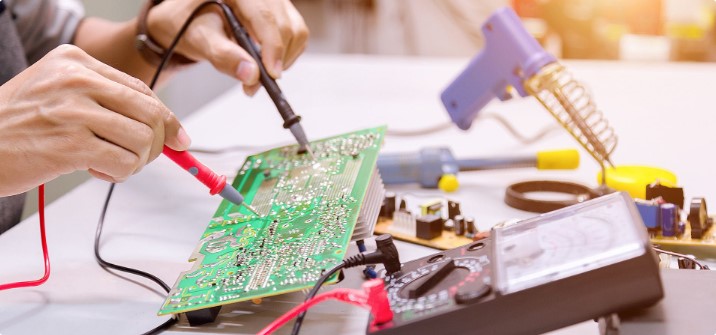
For further insight into how AI is influencing pharmaceutical manufacturing standards, refer to the accompanying visual resource from Advanced Technology Services, provider of MRO spare parts.

