
Key Takeaways
- Dental care expenses can be lowered by exploring alternative coverage options and taking preventive measures.
- A variety of community and nonprofit resources make affordable or free dental care accessible for eligible families and individuals.
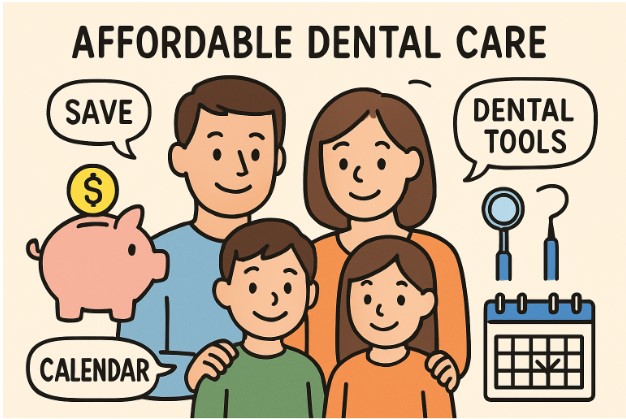
- Planning with savings accounts and flexible payment options can make necessary dental treatments more affordable for your budget.
Maintaining your family’s oral health is critical for overall wellness, but rising dental care costs can strain household budgets. However, a variety of solutions exist to make high-quality dental care affordable, bridging the gap for those without traditional coverage. A good starting point is to compare private coverage options with the government dental insurance option, as public-sector plans can sometimes offer competitive benefits and stable costs.
Beyond insurance, practical planning and resourcefulness can significantly reduce dental bills. Leveraging a mix of community programs, discount plans, and preventive practices will help ensure lasting oral health for every member of your family. By exploring some of these lesser-known strategies, you can protect your family’s teeth and gums—without jeopardizing your financial health. These methods are especially important during times when unexpected dental needs arise, making it easier to address both emergencies and routine care.
Explore Dental Discount Plans
Dental discount plans are a valuable alternative to traditional dental insurance, especially for households that require more flexibility. With these plans, members pay an annual fee to receive substantial discounts—sometimes as high as 60%—on a wide range of dental services from participating dentists. Unlike insurance, these plans rarely restrict care through waiting periods or annual maximums, removing some of the key barriers to accessible oral health. Discount plans can be particularly beneficial for routine care and basic procedures, making it easy to predict your out-of-pocket expenses in advance.
Utilize Community Health Clinics
Federally Qualified Health Centers (FQHCs) and similar community health clinics operate on a sliding fee scale determined by your income. These centers are designed to ensure that low-income individuals and families receive necessary preventive, diagnostic, and restorative dental care. Services offered may include cleanings, exams, fillings, and even emergency procedures. Locating your nearest community clinic is as simple as visiting the Health Resources and Services Administration’s locator tool. Additionally, many metropolitan areas maintain directories of local clinics on their health department websites, making access to these clinics straightforward.
Seek Care at Dental Schools
Dental schools frequently run clinics open to the public, offering reduced-cost care as students gain hands-on experience under the supervision of licensed dentists. These clinics often deliver high standards of care at significantly lower prices than private practices. Patients benefit from affordable treatments, including exams, cleanings, fillings, crowns, and more specialized procedures. If you’re willing to allow extra time for appointments, dental school clinics can be an excellent solution for comprehensive, cost-effective care.
Investigate Nonprofit Organizations
Nonprofit organizations play a vital role in expanding access to oral health care for vulnerable populations. Programs such as the Dental Lifeline Network’s Donated Dental Services connect low-income seniors, people with disabilities, and those with complex health issues to volunteer dentists and labs that provide free treatment. Other nonprofits operate mobile clinics, dental fairs, or give grants to underserved communities. National resources, such as the American Dental Association’s Action for Dental Health page, can help you find programs in your region or specialty clinics that cater to specific populations.
Review Medicaid and CHIP Benefits
Medicaid and the Children’s Health Insurance Program (CHIP) help millions of eligible Americans obtain dental coverage, though benefits vary by state. These public programs typically cover essential dental needs for children and, in many states, also offer preventive and comprehensive services for adults. Recent expansions in some states have increased coverage options for adults who previously had limited access. To apply or check your eligibility, visit the Insure Kids Now website or your state’s Medicaid portal. To maximize your benefits, review the coverage in your location annually and update your application as your household changes.
Consider Flexible Payment Plans
Even with other resources in place, out-of-pocket dental costs can stretch a monthly budget. Many private dentists now offer flexible payment arrangements, including in-house plans or financing options with low or no interest. These plans enable patients to break down larger bills into more manageable installments, thereby minimizing financial stress while receiving the necessary treatments. Asking about payment options before your appointment can help you budget effectively and avoid late fees or credit card debt.
Establish Health Savings Accounts (HSAs)
Health savings accounts are tax-advantaged savings plans that let you reserve funds specifically for health expenses—including dental care. These accounts are typically available to individuals with high-deductible health insurance plans and can be established through many employers or banks. Contributions to an HSA reduce your taxable income, grow tax-free, and can be withdrawn for qualified dental procedures without penalty. By setting aside pre-tax dollars for care, HSAs empower families to plan for both routine and emergency dental needs.
Prioritize Preventive Care
Consistent preventive care is one of the most effective ways to lower lifetime dental costs. Regular check-ups enable dentists to detect minor issues—such as small cavities or early gum disease—before they become more complex and expensive to treat. Regular cleanings and screenings, combined with daily brushing, flossing, and a balanced diet, can significantly reduce your need for major dental procedures. According to the CDC, investing in prevention saves public and private payers billions in annual treatment costs and improves overall health outcomes.
Explore Dental Membership Savings Plans
If you’re uninsured, a dental membership savings plan offered directly by your local dentist may be a smart alternative. By paying a yearly or monthly fee, enrollees gain access to included routine services, such as cleanings and exams, and receive discounts on additional treatments. These programs offer budget predictability, encourage regular dental visits, and can sometimes be tailored to accommodate different family sizes and ages. Ask your provider if they offer such a plan or know of reputable offices in your community.
Stay Informed About Legislative Changes
Dental care access can evolve quickly due to changes in state or federal policies. For instance, recent legislative efforts have expanded dental coverage and increased incentives for the dental workforce in several states, aiming to reduce disparities in care. Staying updated on relevant laws, pilot programs, and funding opportunities ensures you’re aware of newly available options for your household. Community health advocacy organizations and state dental societies are helpful resources for monitoring these changes and advocating for improved access as needed.
Conclusion
With strategic planning, households can significantly reduce out-of-pocket expenses for dental care while maintaining excellent oral health. By utilizing a blend of insurance coverage, discount arrangements, nonprofit resources, and preventive habits, affordable dental services become accessible to a broader range of people. Consistently reviewing new options and legislative updates will help ensure your family always has a reason to keep smiling—without financial worry.